


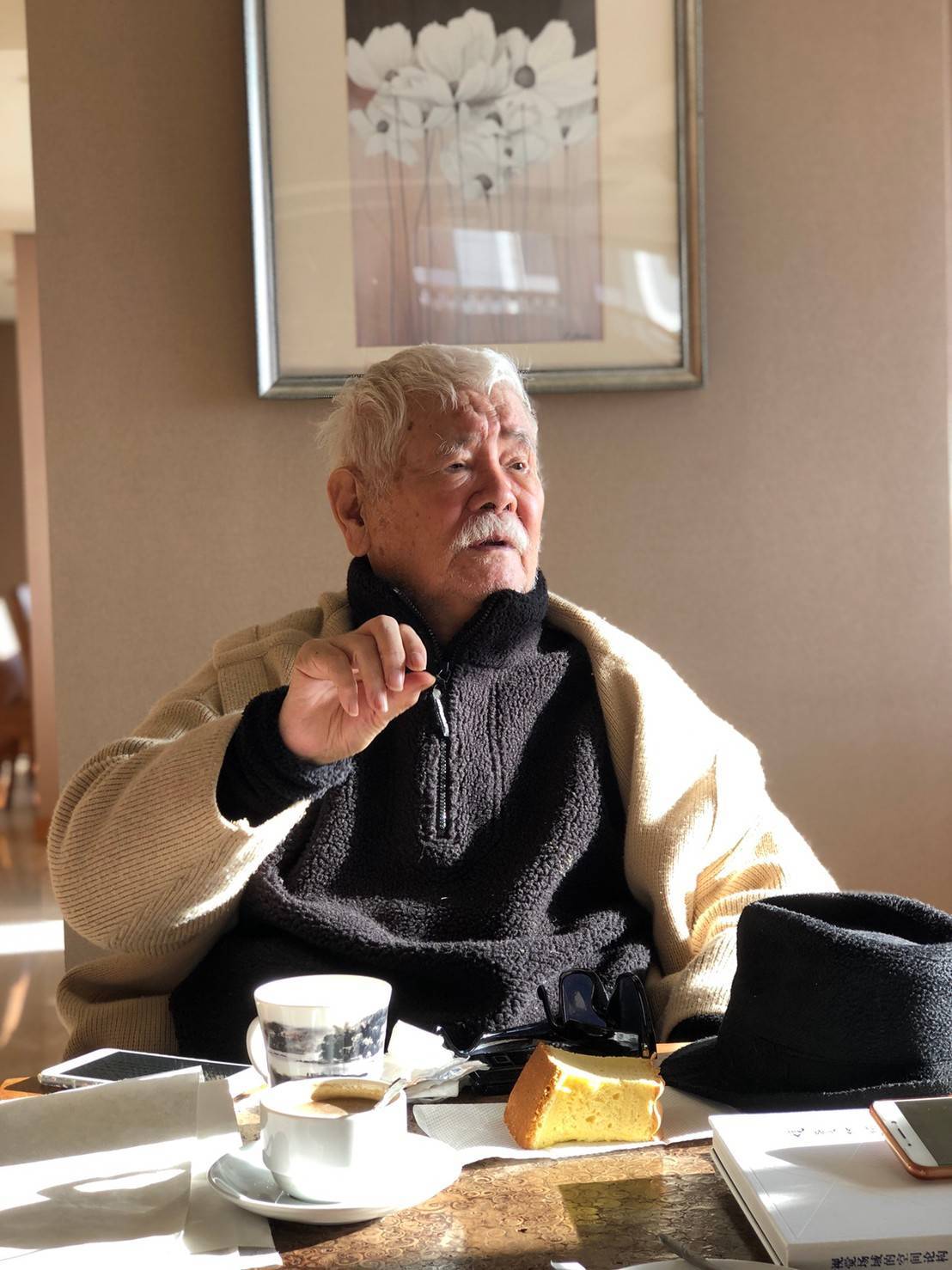
李奇茂教授本名李雲台,1925 年出生於中國安徽省,1949 年來臺,畢業於政工幹校美術組(今國防大學政戰學院)。他體察時代脈動及環境變遷,在創作上不斷探索與自我改革,作品風格多元,從戰鬥文藝、鄉土采風到人文關懷。
李奇茂將水墨傳統筆法,融合西洋速寫技巧,以靈動墨色筆觸捕捉萬變物象,賦予傳統水墨繪畫新時代的意義,畫下美術史上重要的一頁。
其創作的內容要反映時代精神,並以獨到的眼神描繪出市井風華,在旅遊於世界各國間時,更沈浸於體驗當地文化、廣結人緣,並將趣味盎然的風景紀錄於筆墨。李教授的藝術具有國際性成就,作品受到世界各國美術館收藏。
Professor Li Chi-Mao born Li Yun-Tai in 1925 in Anhui, China moved to Taiwan in 1949 and graduated from the Art Division of the Political Warfare Cadres Academy now the Fu Hsing Kang College of National Defense University. Attuned to the shifting tides of his era and environment, Li continually pursued artistic exploration and self-renewal. His stylistic range spans from wartime propaganda art to depictions of local customs and deeply humanistic themes.
Integrating traditional ink techniques with the spontaneity of Western sketching, Li infused his brushwork with expressive vitality, capturing ever-changing forms in motion. His innovative approach granted new meaning to the legacy of ink painting, marking a significant chapter in the history of art.
Determined to reflect the spirit of the times, Li portrayed the vibrant life of everyday people with a keen and distinctive eye. During his travels across the world, he immersed himself in local cultures, formed lasting friendships, and recorded the lively scenery with playful charm and poetic strokes. His artistic accomplishments have achieved international recognition, and his works are held in major museum collections worldwide.